
Sustainability at Sustainable Safari
How is Sustainable Safari Sustainable?
Download an overview of Sustainability at Sustainable Safari, here:
Our Mission

Our mission is to educate the public about planetary sustainability through the use of live animals in a safe, up-close manner.
Sustainable Safari® holds great pride in ensuring guests receive education on the challenges humans have created for all inhabitants of planet earth while offering the opportunity to be part of the solution.
Each animal is a part of a natural ecosystem that depends on all its parts to function. Any ecosystem is a perfect example of a sustainable structure. “The Circle of Life” starts with a healthy habitat, clean water, and a balanced ecosystem.

What does Sustainability mean to us?
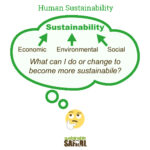
Sustainability is a complex topic with no universal solution, yet it requires immediate attention. That’s why, as a company, we are committed to educating our staff on the importance of these topics before anything else. As we grow, we will continue to make appropriate changes to ensure our business is as sustainable as possible.
It is (and always will be) Sustainable Safari®’s goal to educate the general public about all of our animal ambassadors, raising awareness of their existence and the impact humans have on their lives and environments. Humans have undoubtedly harmed their habitats through our habits and lifestyles, whether we realize it or not. Our goal is to educate everyone, offer resources to help them, and practice sustainable habits to preserve our world for mankind and our animal ambassadors.
What is Sustainability?
The words sustainability and sustainable are used frequently in today’s marketing. Companies have been “Going Green” for decades, and sustainability adds to the eco-friendly concept. Sustainability focuses not only on saving resources but also on creating eco-friendly systems that support themselves.
Sustainability means something similar to most people. Before we get into our Sustainable Practices, here is the official definition of sustainable.
sustainable [ suh–stey-nuh-buhl ]
adjective (a descriptive word)
- capable of being sustained.
- a. of, relating to, or being a method of harvesting or using a resource so that the resource is not depleted or permanently damaged.
- b. of or relating to a lifestyle involving the use of sustainable methods.
Our Sustainable Practices:


Conservation/Sustainability Team
Link Coming Soon!


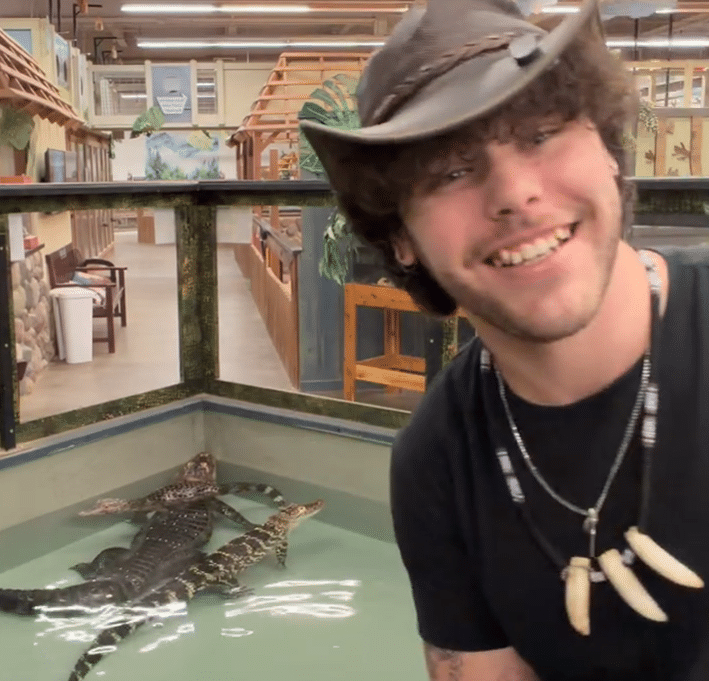
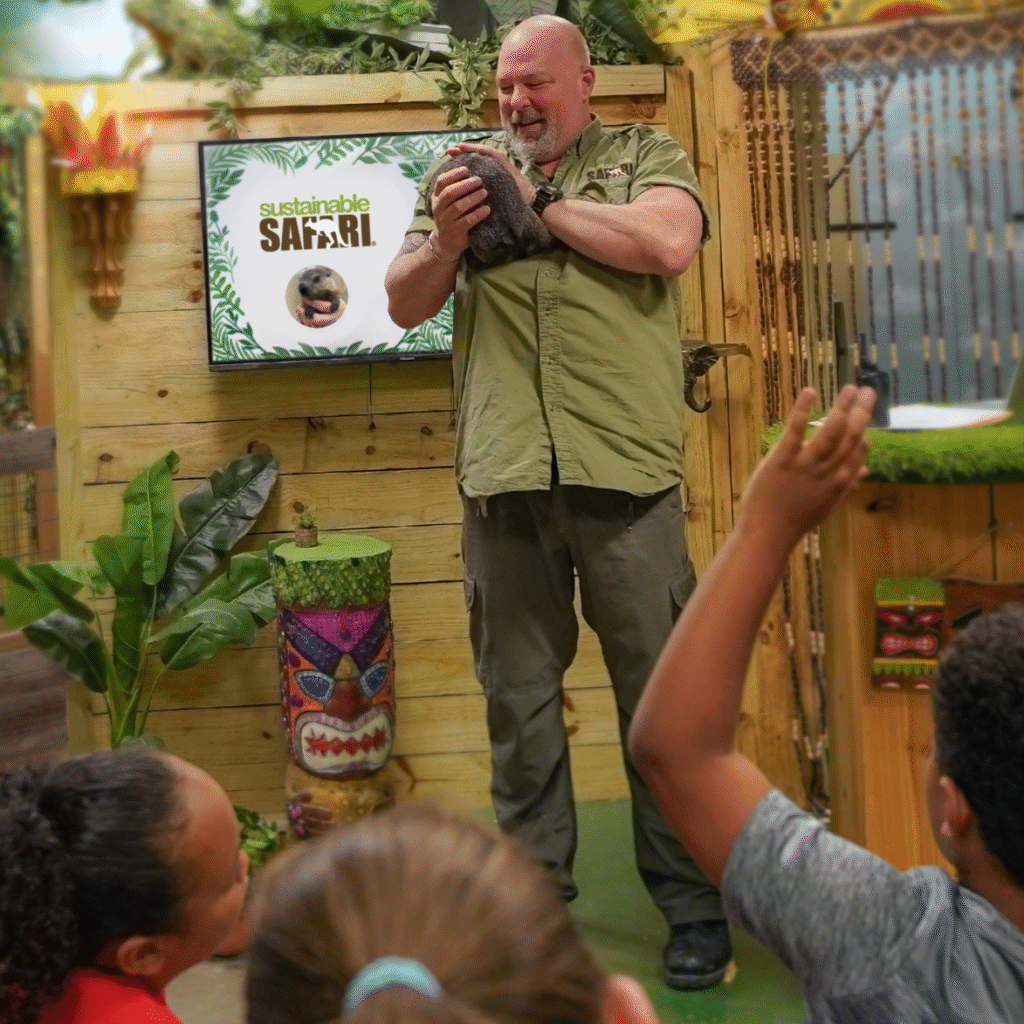
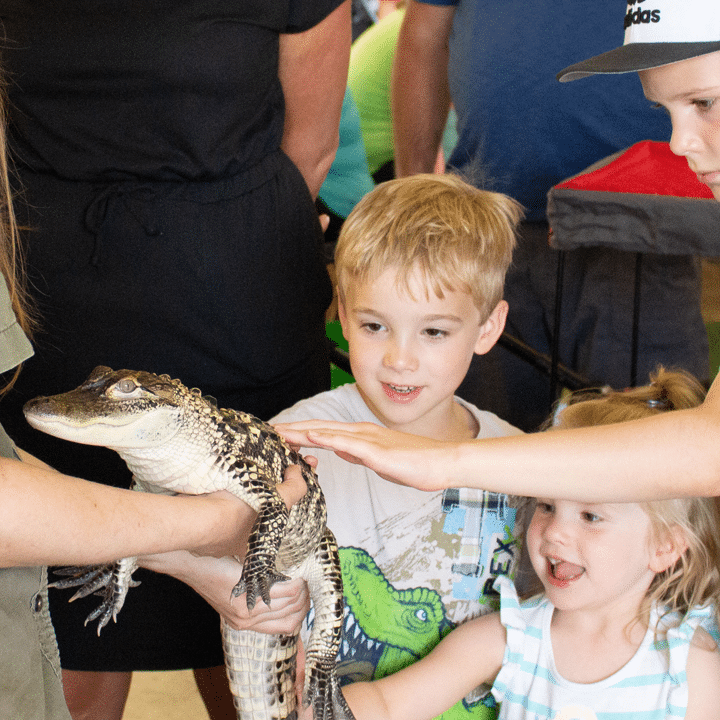

Education Team, Mission, & Sustainability
Sustainable Safari® holds great pride in ensuring guests receive education on the challenges humans have created for all inhabitants of planet Earth while offering the opportunity to be part of the solution.
The only option for our future generations’ survival is to come together and understand that, as humans, we have both positive and negative effects on the wild world around us. Just as we benefit from nature’s gifts, how can nature benefit and flourish from our existence? Understanding sustainability and our role alongside wildlife and nature is the key to saving the natural world and our planet’s ecosystems for future generations.
We take great pride in educating each other, our staff, and the public with the knowledge to provide a healthy and sustainable future for wildlife, humans, and nature. Our animal ambassadors, our live wildlife shows, and our website/technology are just a few ways we educate the community about sustainability.

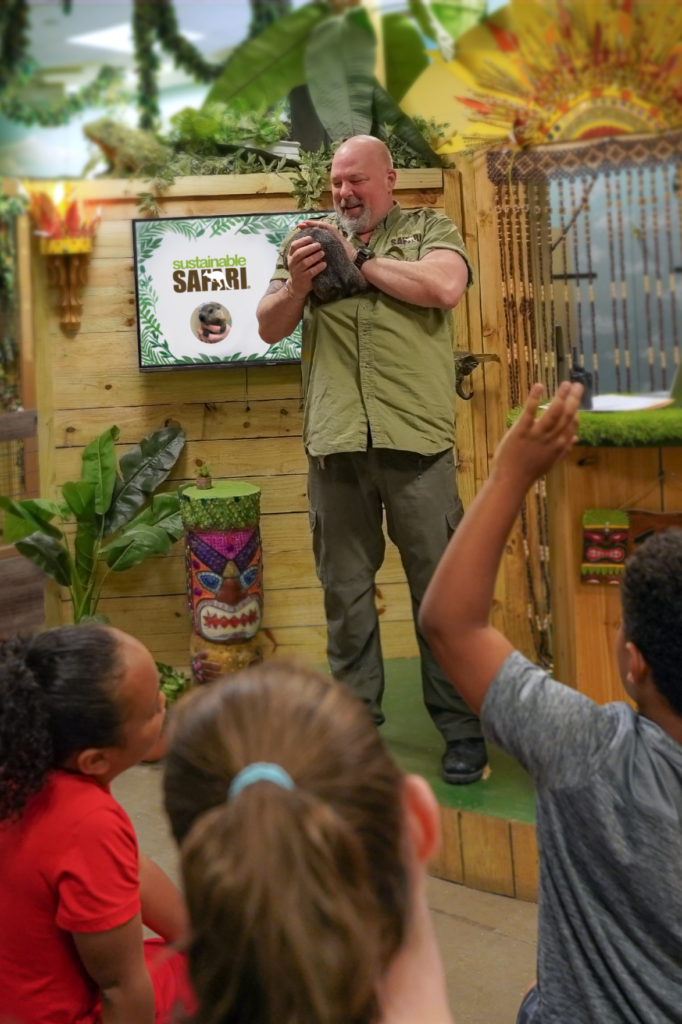
Education, Sustainability, and Wildlife Shows
Live Wildlife Shows – (Free with Entry Ticket!)
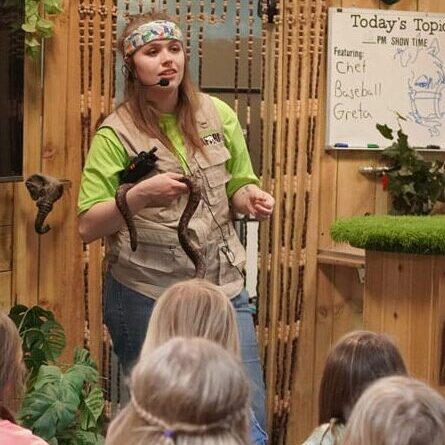
Wildlife shows educate the community about natural history and sustainability practices. Sustainable Safari® is honored to provide free daily wildlife education at our Maplewood location. We also offer mobile zoo wildlife presentations for small and large groups.
In our wildlife shows, you will learn about each animal species, its contributions to humans, the species’ ecosystem, and how you can help support nature locally and worldwide.
Wildlife Natural History Fact Examples:
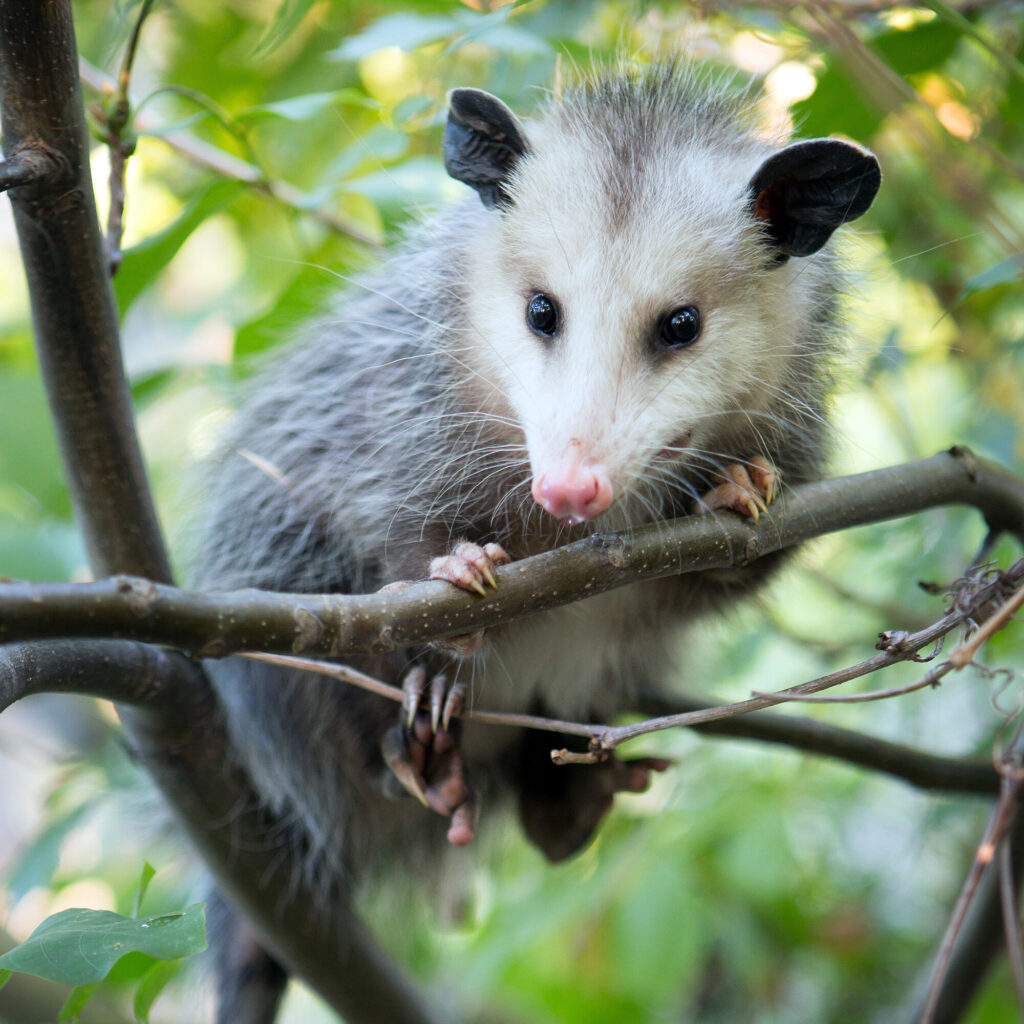
Did you know that Virginia Opossums eat over 4,000 wood ticks per season? This is just one of the ways opossums benefit humans. Imagine if opossums became extinct due to trapping or mass harvesting. Our natural spaces would be overrun with more insects and ticks. Our forests and communities can thank opossums for helping control tick populations and Lyme disease.
How can you help the Australian ecosystems right here in the Midwest? Recycling all aluminum! Aluminum is made of bauxite. Australia is the world’s largest producer of bauxite. In 2021, Australian bauxite production was 101 million tonnes (Mt). 39.6 Mt of bauxite was exported, and the remainder was converted to Australian alumina. aluminium.org Recycling your aluminum cans dramatically reduces the amount of Bauxite needed to be mined in Australia, which disrupts the natural ecosystem.
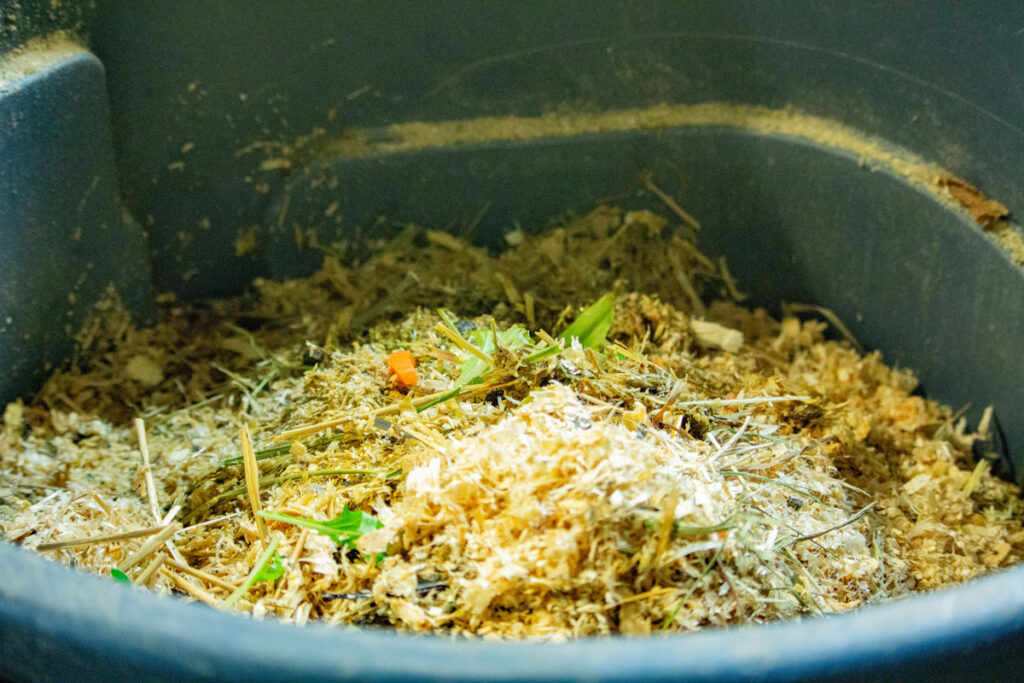
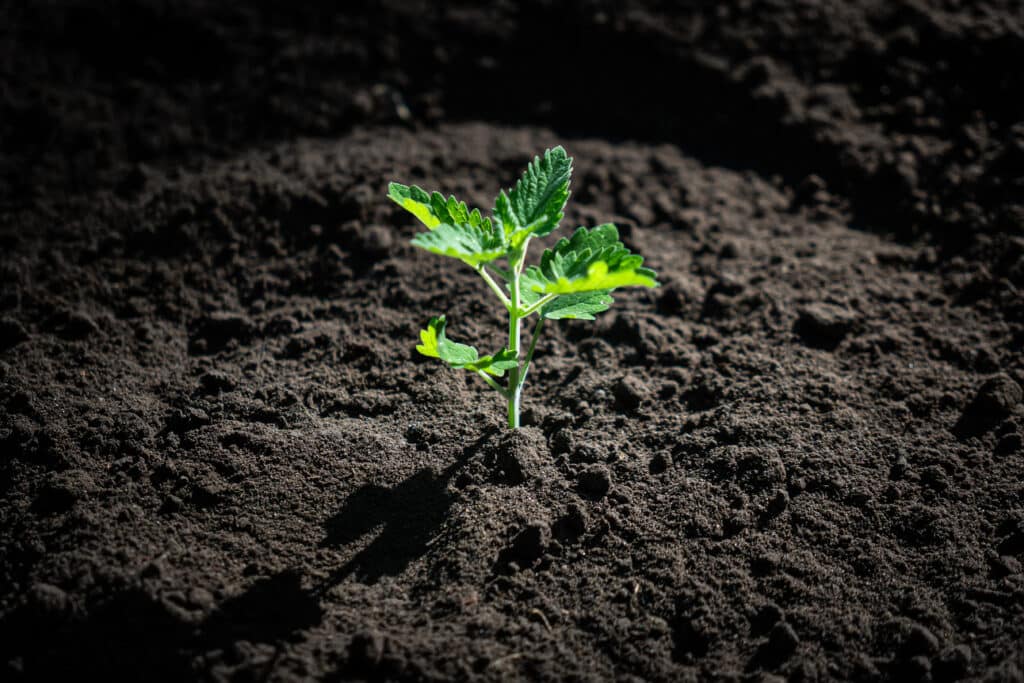
Bedding (How we compost it)
All animal bedding and dung are recycled or composted at a commercial black dirt facility. Sustainable Safari® Maplewood and Burnsville contribute about 4,000 cubic yards yearly—more than the size of an Olympic swimming pool!
When animal bedding is ready to be removed, the enclosure is scraped clean. We remove it from the safari and bring it directly to our compost sites.
Our compost is sent to local farms to provide a sustainable source of fertilizer. Using compost as fertilizer reduces methane entering the atmosphere.
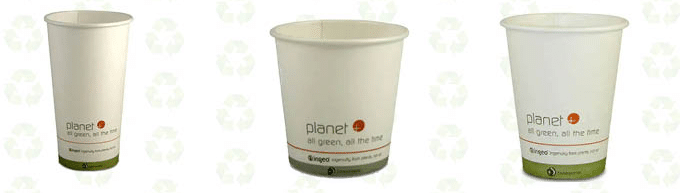
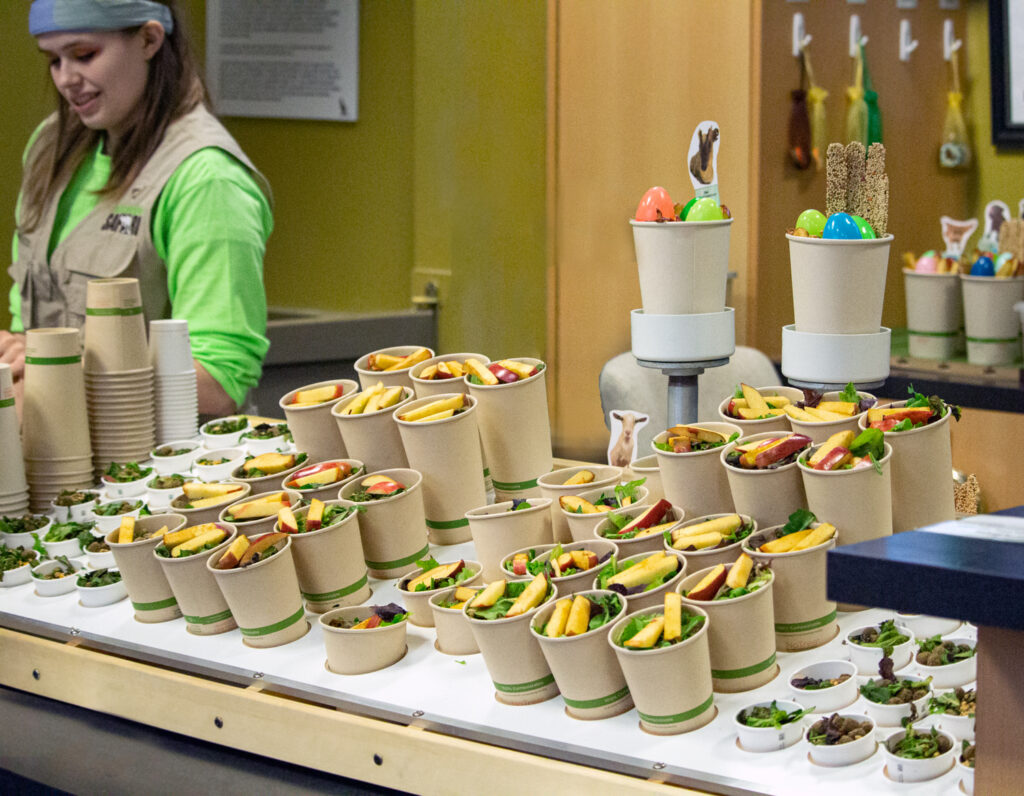
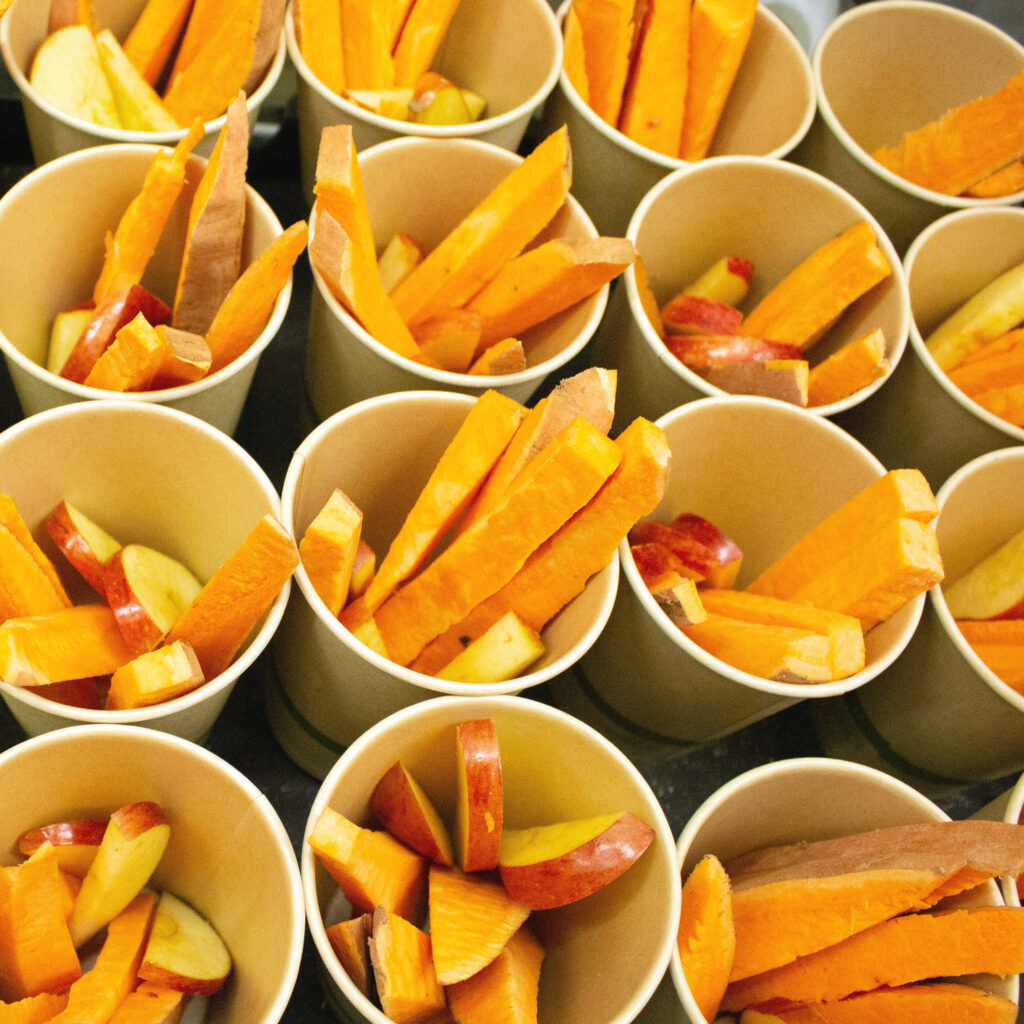
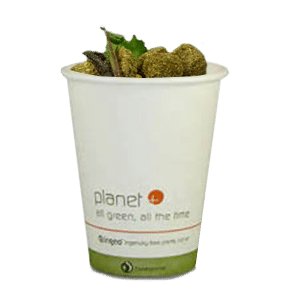
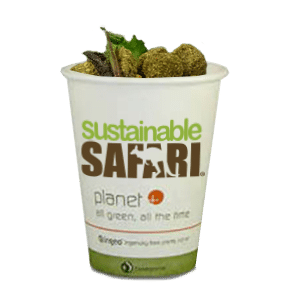
Compostable Feed Cups
Did you know that the feed cups we use at Sustainable Safari® are completely compostable? They are made out of corn product, and no trees are chopped down in their making! Plus, if our goats happen to eat them (let’s be honest, they eat everything), it will be totally fine!
This is part of how we view sustainability, and small changes can make big differences. If we used paper cups, thousands of trees would be cut down each year.
Zero-Waste Feeding Practices
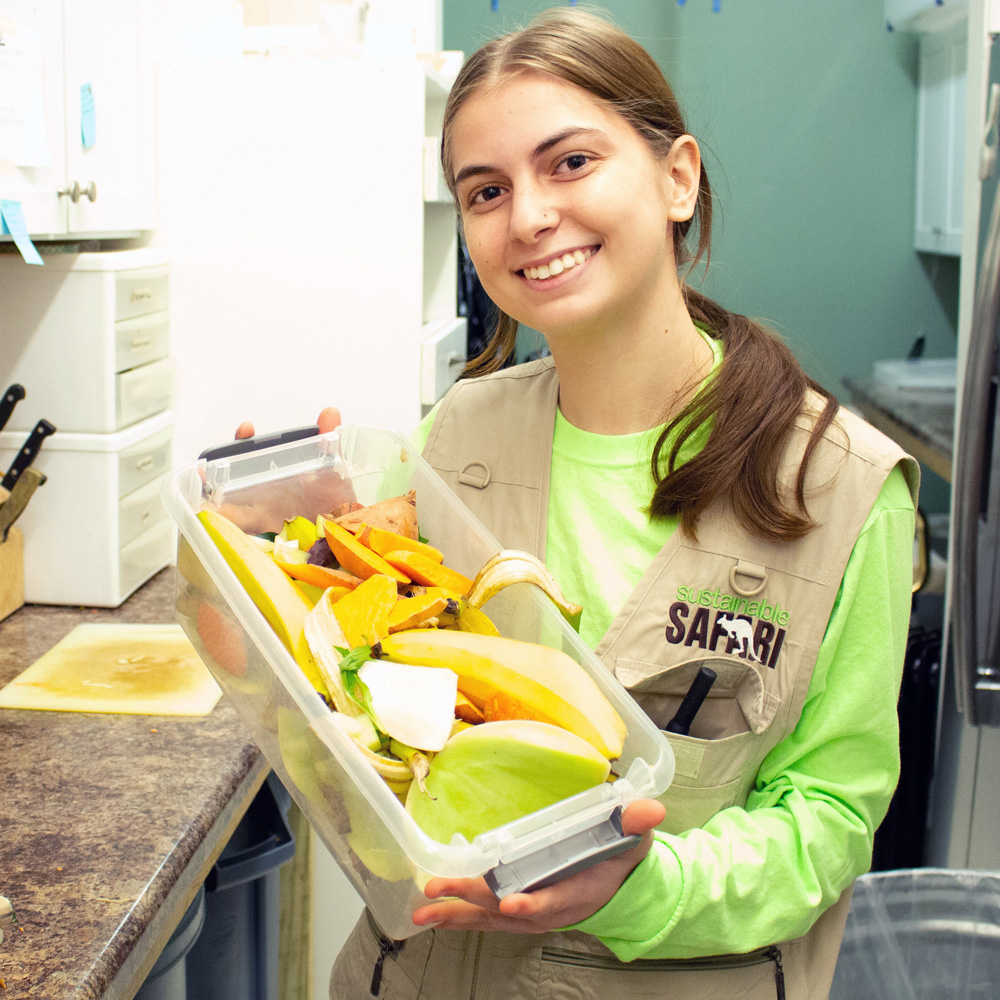
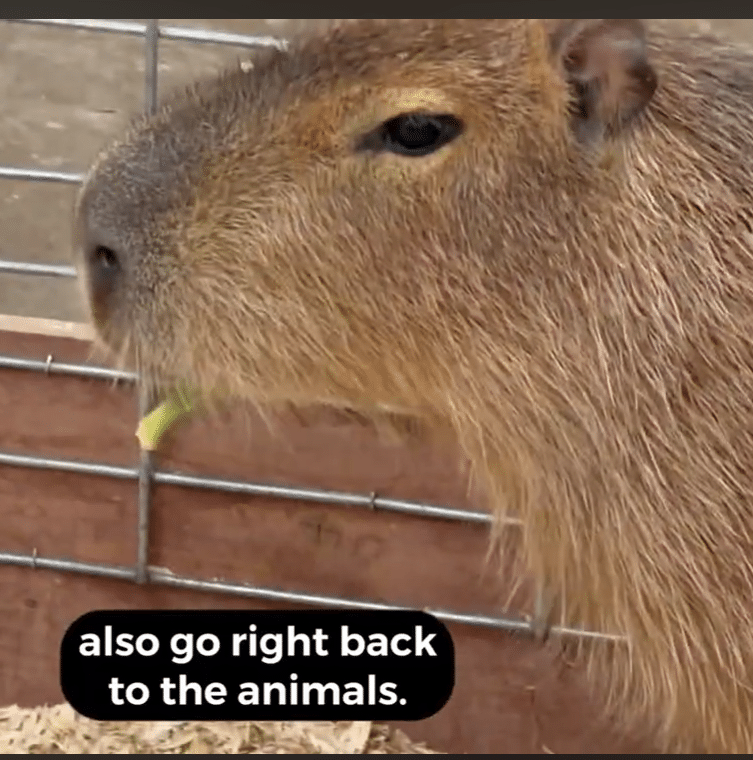
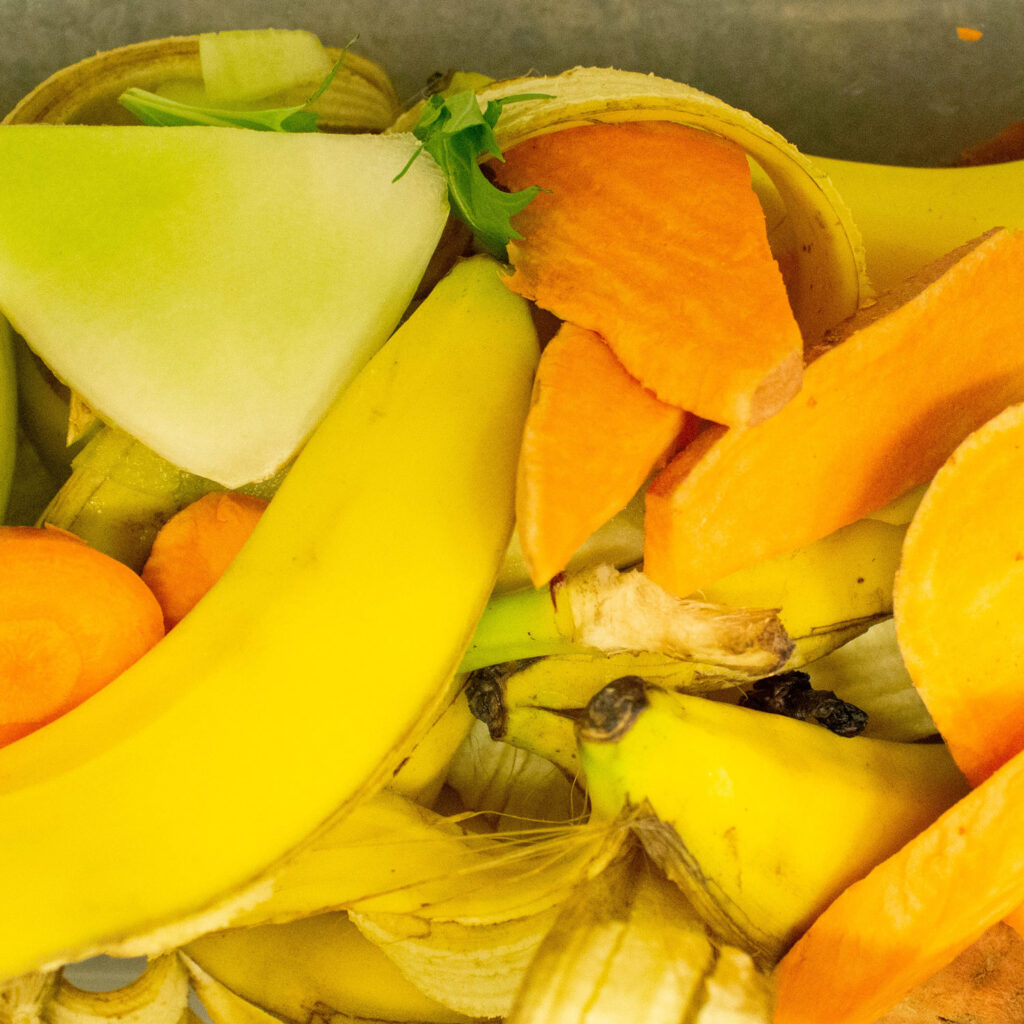
Sustainable Safari® is committed to using all parts of the food we feed our animals. We give edible food scraps to our animal ambassadors so nothing goes to waste! What isn’t used is composted.

Sustainable, Recycled, and Eco-friendly Products
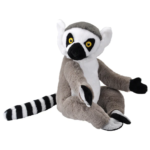
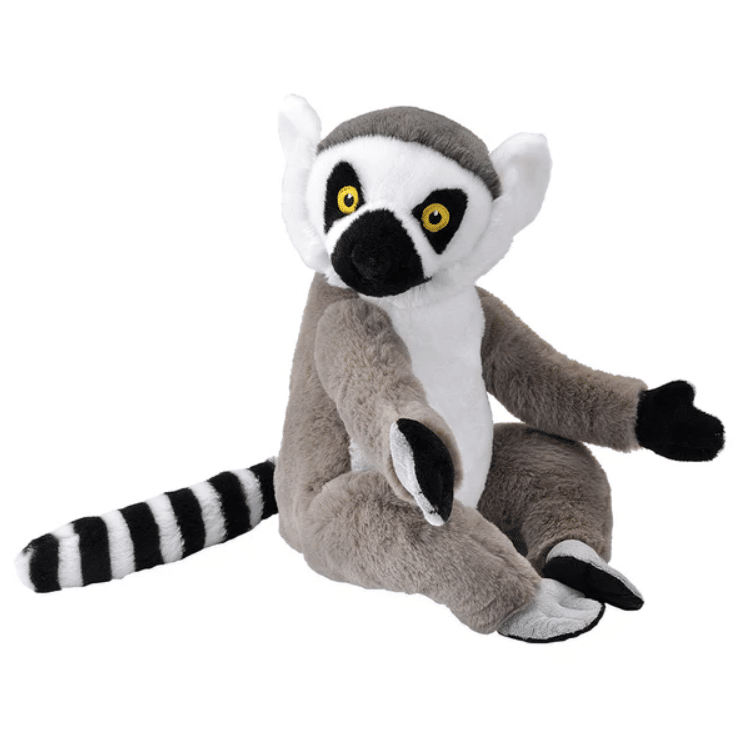
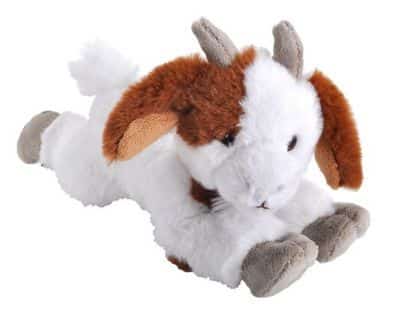
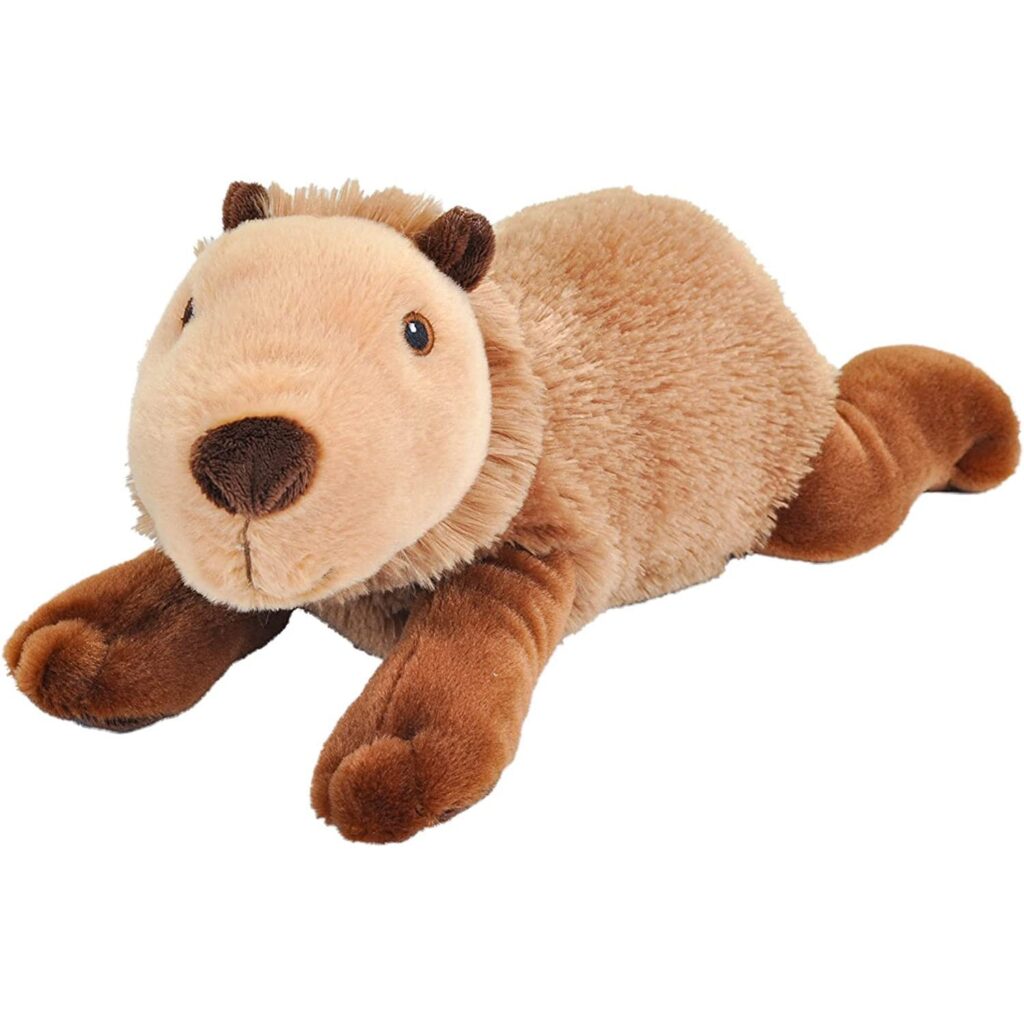
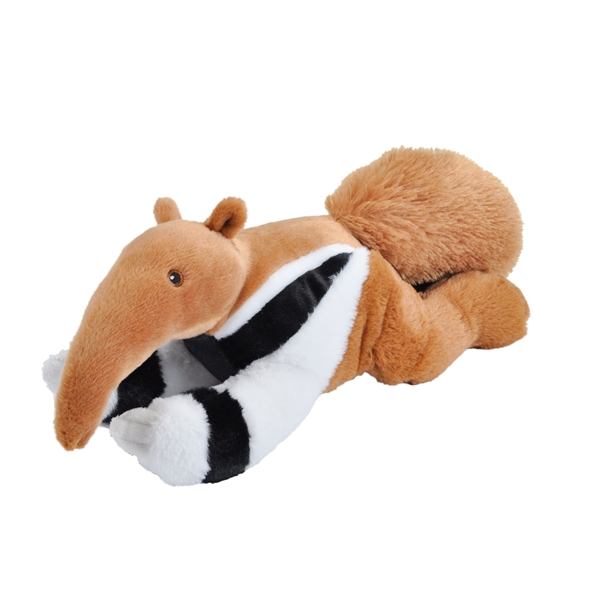
The Sustainable Safari® gift shop and online store carry a line of plushies made of 100% recycled water bottles. One 12” stuffed animal uses 16 water bottles.
Repurposed, Reused, Recycled
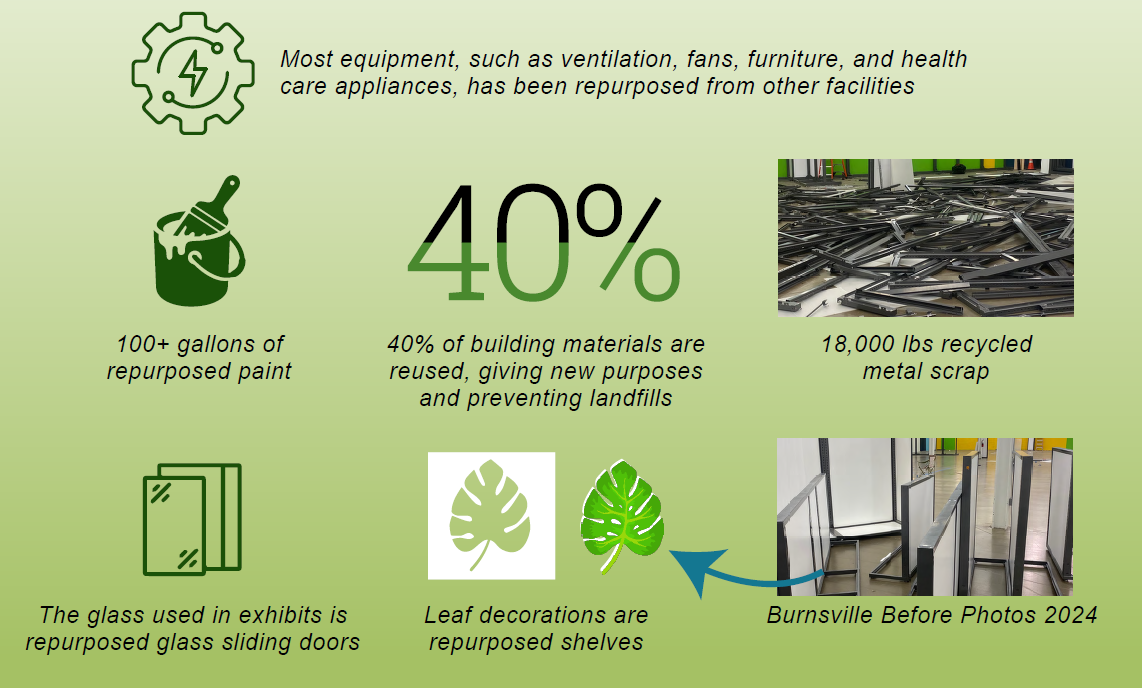
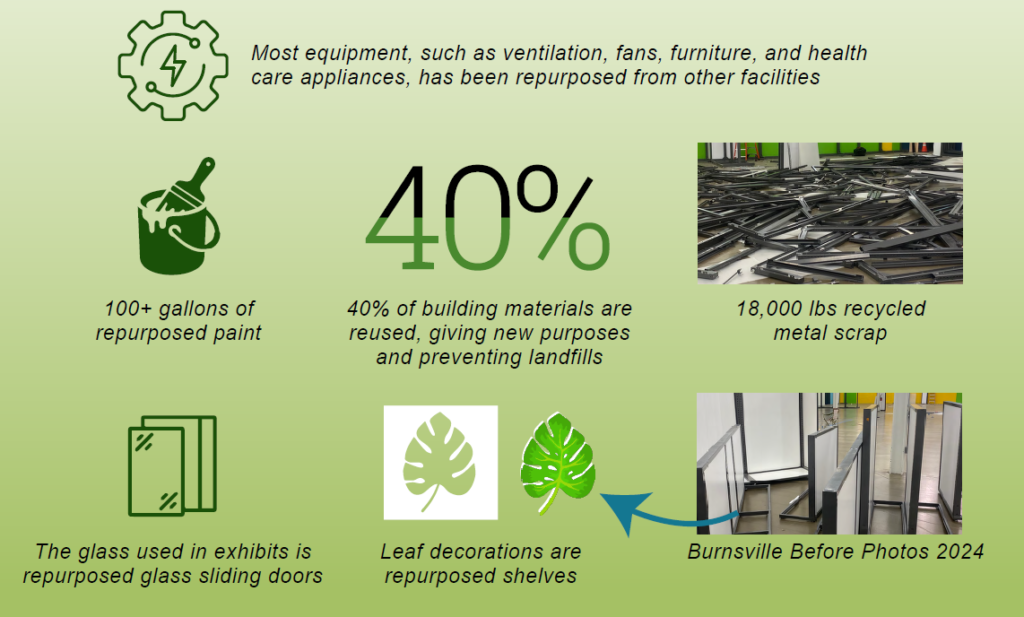
Repurposed, reused, and recycled materials to build exhibits
Most equipment, such as ventilation, fans, furniture, and healthcare appliances, has been repurposed from other facilities.
- 100+ gallons of repurposed paint
- 40% of building materials are reused, giving new purposes and preventing landfills
- 18,000 lbs of recycled metal scrap
- The glass used in exhibits is repurposed glass sliding doors
- Leaf and other decorations are repurposed shelves
- Most of our material was left over from the store before, and we used it to build the facility.
More Sustainability Practices
Animal Ambassadors Inspire Conservation
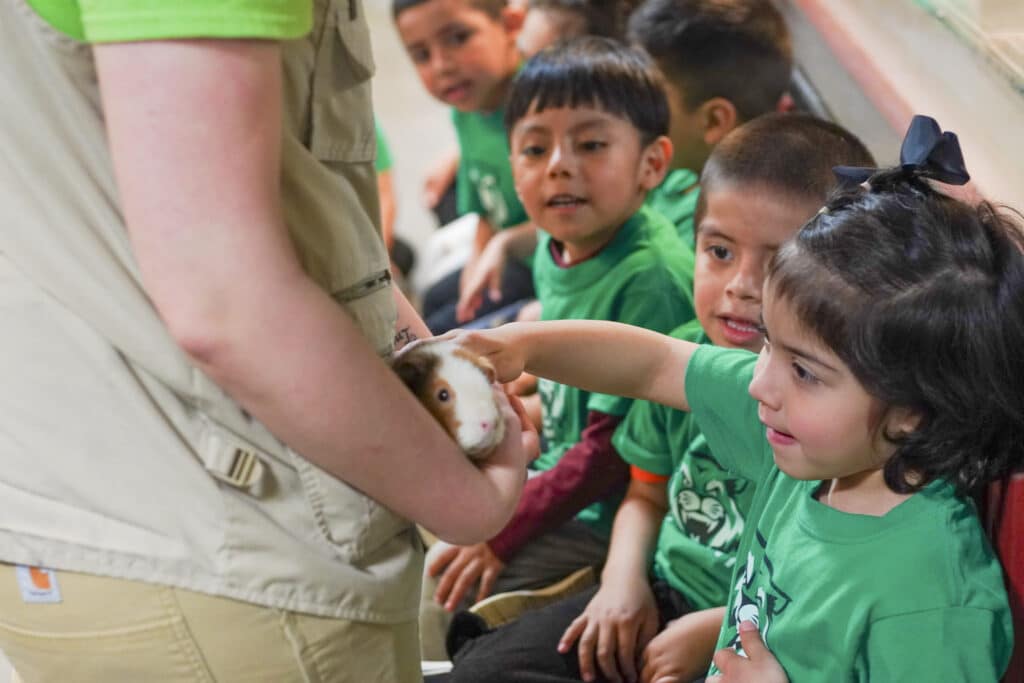
Sustainable Safari® presents over 100 animal species from across the globe to the public. A guest can interact with, pet, feed, or hold the most extraordinary animal species. Often, people mention they have never seen or heard of many of our animal ambassadors and are thrilled to learn about a new species.
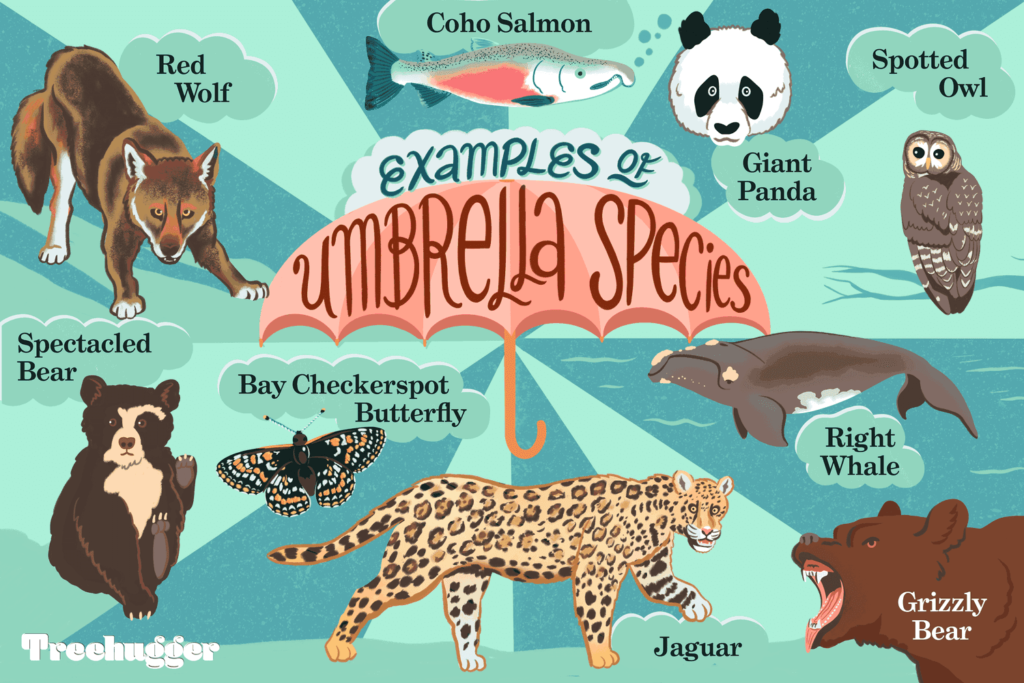
With each animal ambassador, our goal is to raise awareness of their existence, the condition of their habitat and ecosystem, and what we can do to help. Animal education and encounters foster a bond between guests and the animals. The discovery of a species and a newfound love for it can impact how humans help preserve its existence. Umbrella Species are animal species that the public recognizes as needing conservation, and whose conservation helps preserve other animal species in their ecosystem.
“Umbrella species are selected as representatives of their ecosystem when conservation plans are being made. By protecting these organisms, other species that are a part of their ecosystem will also benefit under the same conservation “umbrella.”
TreeHugger.com
Our Website/Technology
Our developers are always seeking new, more engaging, and better ways to present digital learning. The creators and writers consistently research the latest information on sustainable practices, wildlife, and conservation. With certified sustainability specialists on our team, we have the latest, vital information needed to preserve our world for generations to come. Along with accurate facts and the latest technology, we provide education for learners of all levels.
More places to learn on our website:
.
Ways YOU Can Help

What you can do to be more Sustainable
Every dollar we spend is a vote cast for the future we will live in. We can all work together to keep our future green by spending and shopping responsibly and holding businesses accountable. Sustainability starts with us. The Seven Rs of Sustainability are all simple steps to ensure the world is a better place for tomorrow.
The Seven Rs of Sustainability
1 – Reduce
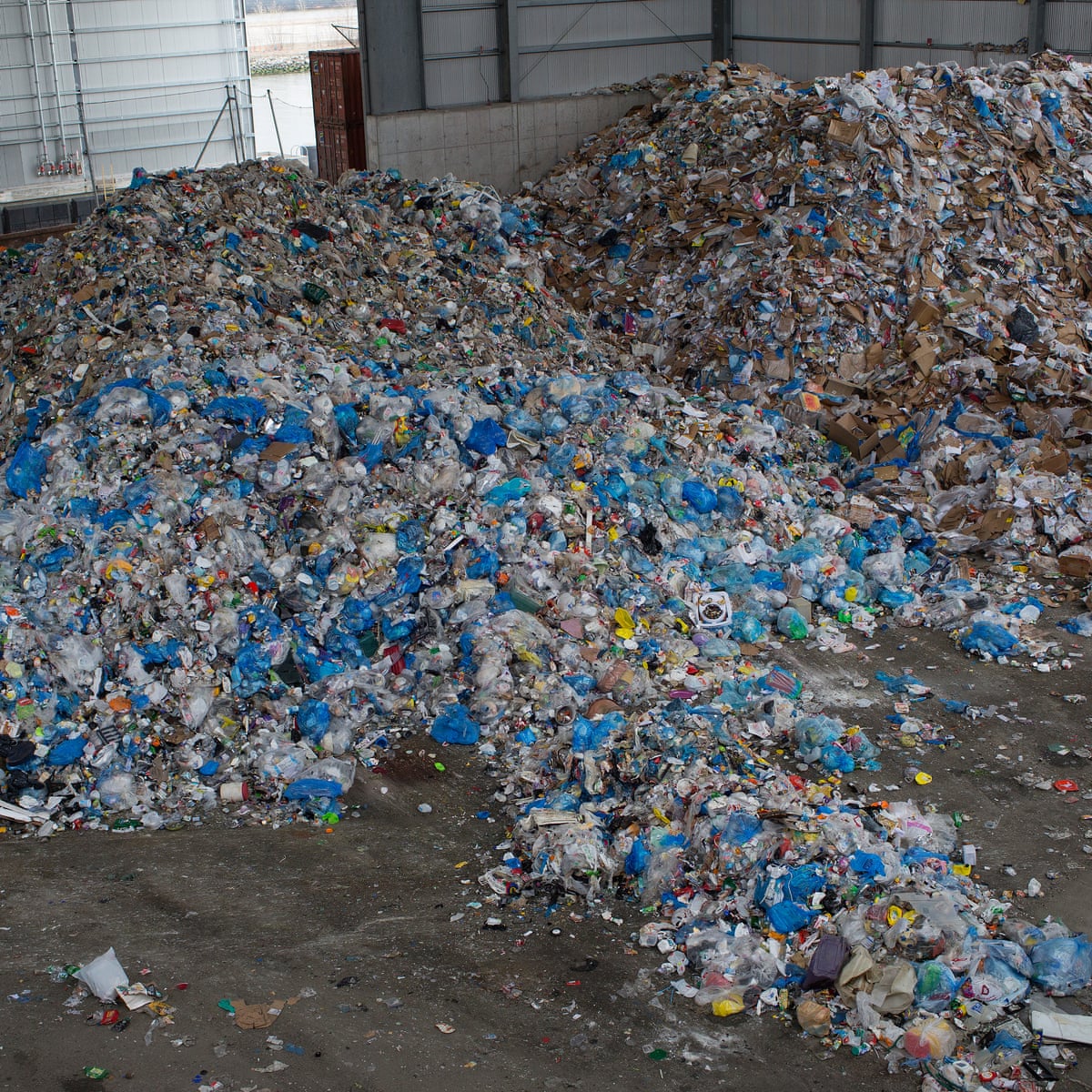
Did you know that the U.S. produces 300 MILLION tons of waste yearly?
This includes food waste, wrappers, electronic waste, and more. Of that 300 million tons, approximately 69 million tons are composted, and 25 million tons are recycled (according to the Environmental Protection Agency). While it helps that much of this waste is diverted from landfills, there is so much more we can do to reduce the amount we produce in the first place.
Reducing should always come before recycling. In this context, reducing means reducing the number of goods an individual or household consumes. Luckily, there are several ways to start reducing your home waste. Composting (if you’re able) is a fantastic way to reduce household food waste. Choosing reusable containers and grocery bags is an excellent way to reduce single-use plastics, which harm our environment. In addition, you can:
- Buy second-hand
- Buy in bulk
- Shop locally
- Meal plan
- Shop for items with less packaging
And so much more…
It is all about finding what works best for your lifestyle. Becoming more aware of your buying or consumption habits is also a great place to start
2 – Reuse
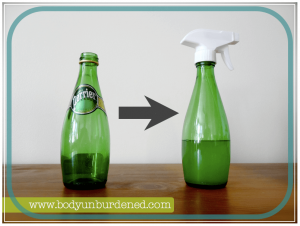
Reusing items in good shape is a great way to reduce your trash footprint and prolong their life. Containers for food and beverages are the most commonly reused items. Glass vessels typically have the longest lifespan.
Reusing materials is an excellent way to extend a product’s lifetime. Many things can be pretty obvious about whether you can reuse them, but often it’s not very clear. Lucky for us, there are facilities nearby that handle some of this. Hazardous waste is one thing people don’t realize can be reused.
Reusing hazardous waste is especially important because we do not want these chemicals to end up in a landfill. Landfills are subject to leaching and can contaminate water bodies. When you reuse or reclaim hazardous products, you are recycling them. Things like motor oil, aerosol wasp killer, and more can be brought to local collection sites and given a new life.
Here in Maplewood, MN, residents can find FREE products like paints, automotive fluids, and cleaning products. Often, these facilities also take in items such as mercury-containing lightbulbs and batteries. All counties in Minnesota have HHW drop-off locations, either year-round or seasonal… Check with your local facility.
- Product Reuse Center – St. Paul
- The Product Reuse Center, Bay West, is a year-round household hazardous waste collection site in Saint Paul.
- Residents can find free products like paints, automotive fluids, and household cleaners at the Product Reuse Center. Product availability and selection will vary. You must be 18 or older to take products.
- Location: Bay West 5 Empire Drive, Saint Paul, MN 55103

3 – Recycle
Waste is only waste if it cannot be used again. In the United States, the materials used now exceed 10 tons per person per year. That would be a lot of waste if all that material went straight to a landfill! At the end of a product’s life, you can return it to the world for others to use again someday through recycling. It is an essential process for reducing the harmful effects that waste can create on the environment. Landfills and incinerators can be very toxic to the local environment, creating water and air pollution.
4 – Repurpose
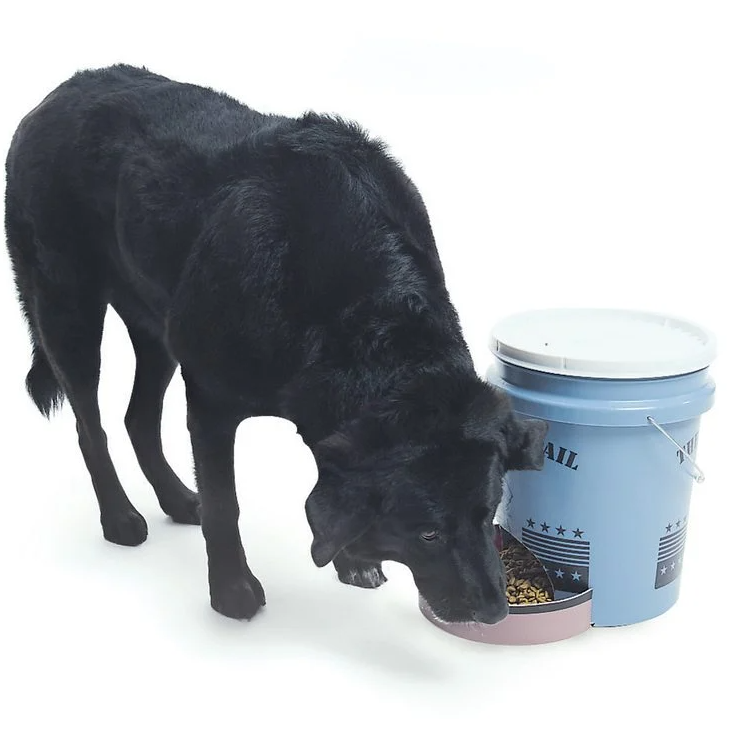
This week, we are talking about the most creative R-word in sustainability: Repurposing. To repurpose something, you are changing its original use rather than just throwing it away. Chances are, we have all taken something that would have otherwise been someone’s trash and given it a new purpose. Some common examples include:
- Turning your old Top-The-Tater container into storage for your leftovers
- Using worn-out t-shirts as dish drying cloths or wash rags
- Cutting out old magazines and newspapers to make art
- Plastic bags are usually perfect for small trash can bags
The list could go on and on. Repurposing is a great way to save money, get creative, and help the environment all at once!
Shopping at second-hand stores is a great place to start repurposing items. Bonus points if you donate your items there, too. Both of these things reduce the amount of trash ending up in landfills. While recycling is still important, it uses more energy than a simple repurpose project. This may also encourage you to start buying items with multiple uses.
Reusing and repurposing are both steps backward in the waste cycle and steps forward in the right direction.

5 – Rethink
What could be done differently? Conducting an at-home waste audit is one way to learn more about your lifestyle. For example, doing this may show you how many bottles of water you go through.
To rethink this, consider purchasing a reusable water bottle (this saves your wallet and the planet simultaneously).
Another easy way to do this is to weed out your impulse purchases. Some questions to carry with you when you go grocery shopping or to the mall can include the following:
- What is its purpose?
- How many times will I use it?
- Can I recycle it, or will it end up in the landfill?
- Do I have something at home that I can repurpose into the item I am looking to purchase?
- Can I repurpose it?

6 – Refuse
Many products and companies harm the environment. Refusing to support or accept these can influence your day-to-day habits and create a healthier economy.
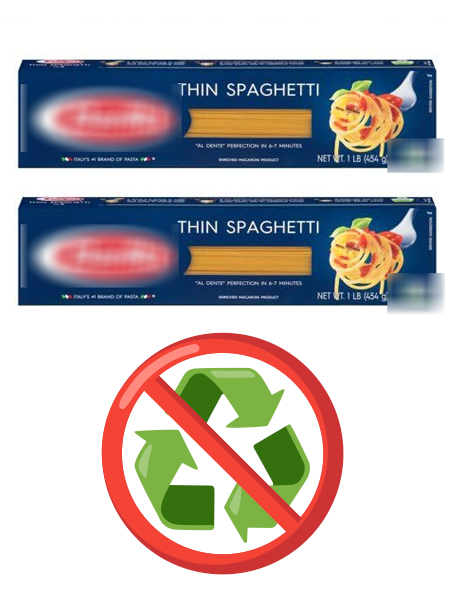
Did you know spaghetti boxes with plastic windows are NOT recyclable? Every time you try to recycle cardboard boxes with plastic windows, it contaminates the recycling batch because the plastic windows are not recyclable.
Why do companies continue to make single-use non-recyclable options? Because we keep purchasing them. This is just one example of refusing to purchase an item because it is non-sustainable. Purchase noodle boxes without windows to ensure you can recycle 100% of the packaging.
7 – Repair
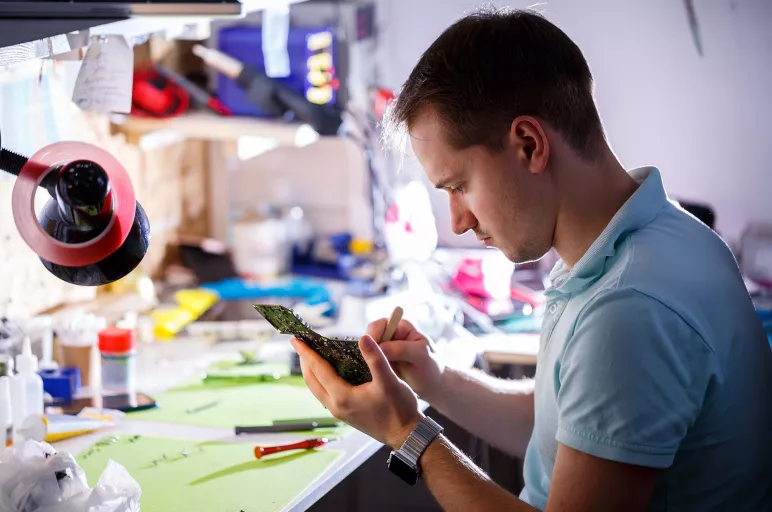
Some of today’s electronics, appliances, and products are cheaply made; things aren’t made quite the same way they used to be.
Repairing your belongings is a rewarding experience. The more you repair, the more sustainable your life will become. Not to mention, (in most situations) you will save money in the process!
When the item is beyond repair, research the proper way to dispose of it. All counties in Minnesota have HHW drop-off locations, either year-round or seasonal… Check with your local facility.
Ramsey County Recycling Information
Ramsey County Collection Sites Map
Here in Maplewood, MN, residents can find FREE products like paints, automotive fluids, and cleaning products. Often these facilities will also take in items like mercury-containing lightbulbs and batteries. All counties in Minnesota have HHW drop-off locations, either year-round or seasonal… Check with your local facility.
Product Reuse Center – St. Paul
- The Product Reuse Center, Bay West, is a year-round household hazardous waste collection site in Saint Paul.
- Residents can find free products like paints, automotive fluids, and household cleaners at the Product Reuse Center. Product availability and selection will vary. You must be 18 or older to take products.
- Location: Bay West 5 Empire Drive, Saint Paul, MN 55103